
A 3-Day Manali Itinerary That Isn't Just Mall Road
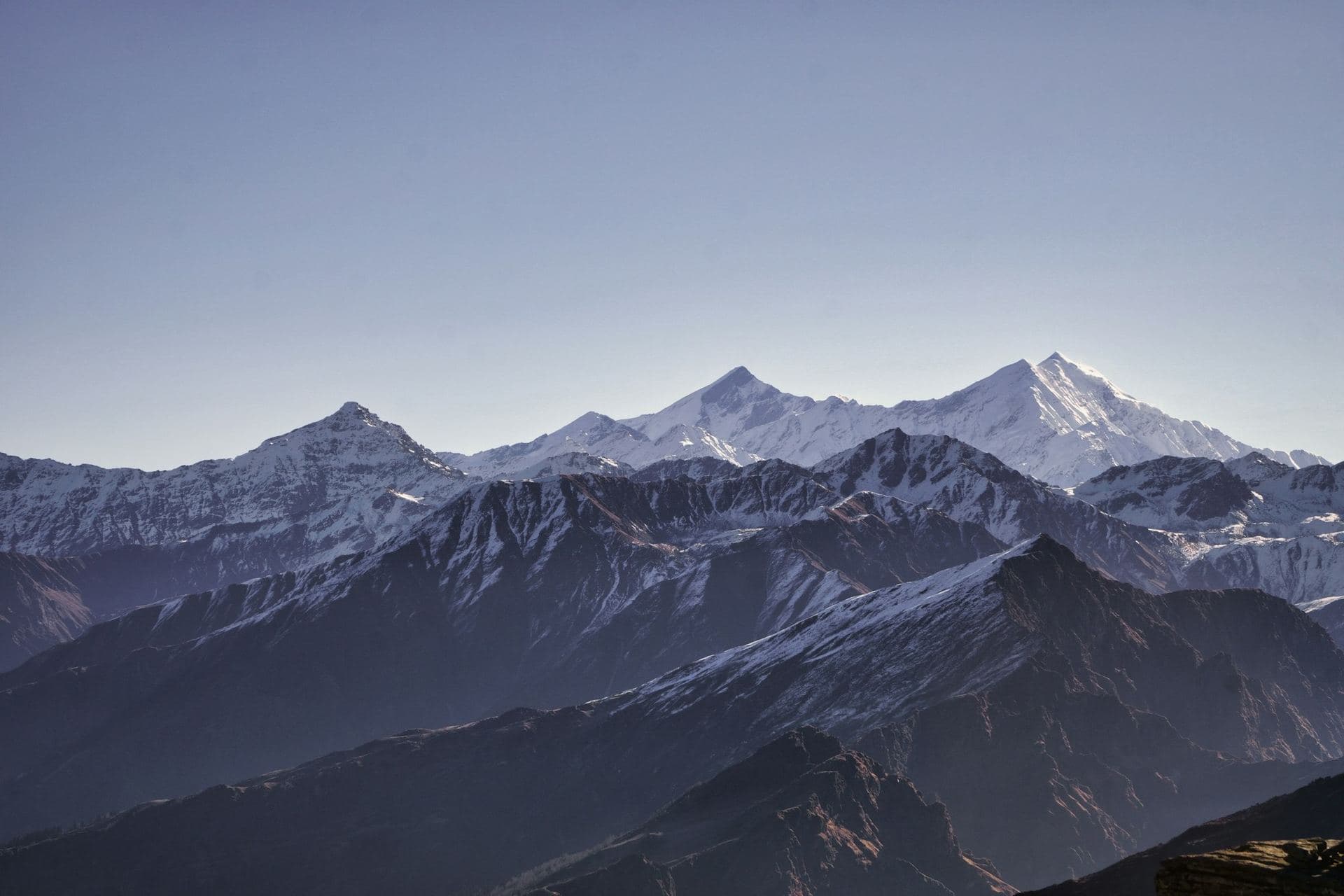
Most three-day Manali itineraries you'll find online are exhausting — a checklist of sights strung together by hours in a jam on Mall Road. That's not how anyone who lives here spends their time. This is the version we'd give a friend: enough to see the valley properly, paced so you actually enjoy it, with meals treated as events rather than refuelling stops.
Day 1 — Settle in, then Old Manali
Arrive, unpack, and resist the urge to rush straight out. Have a long breakfast, walk the orchard, let the altitude and the air settle. By late morning, head to Old Manali — not the souvenir strip, but the lanes above it. Cross the bridge, walk up past the cafés, and find one with a river view for a slow lunch.
In the afternoon, the Hadimba Devi Temple is genuinely worth it despite the crowds — a 16th-century cedar temple in a deodar grove, quieter if you go later in the day. Walk the ten minutes to the Manu Temple too if you have the legs. Back for a bonfire and dinner.
Where this works from
The Shanag house is the natural base for a day like this — you're a short hop above Old Manali, so you can wander in and out without committing to a long drive.
Day 2 — Up the valley: Solang and the Atal Tunnel
This is your big-scenery day. Head north up the valley early. Solang Valley is the adventure hub — paragliding, the ropeway, zorbing in season — and even if you skip the activities, the drive and the views earn the trip. In winter this whole stretch is your best bet for snow.
Then push on through the Atal Tunnel — an engineering marvel that pops you out in the Lahaul valley at Sissu, a different, starker, higher landscape with a waterfall and a calm that the Manali side has lost. Have lunch there, or carry a packed one from the kitchen. Back by evening, tired in the good way.
- Start early — Solang traffic builds through the morning in season.
- Carry warm layers even in summer; it's a different climate past the tunnel.
- Check tunnel and road status with your hosts before you set off in winter.
Day 3 — Naggar, orchards, and a slow goodbye
Point yourself south for the last day, toward Naggar. The Naggar Castle — a 500-year-old timber-and-stone fort now run as a heritage property — is a lovely, low-key stop, and the nearby Roerich art gallery, in the former home of the Russian painter Nicholas Roerich, is one of the valley's quiet surprises. The views from up here across the Kullu valley are the ones you'll remember.
This is also apple country. If you're travelling in the September–October harvest, this is the day to see an orchard properly, taste the fruit off the tree, and understand why half the valley smells like apples in autumn. Then a last long lunch, and the drive down.
“Leave one thing undone. It's the surest way to guarantee you come back.”— A note from the hosts
How to make three days feel like more
The trick is to not treat your stay as just a place to sleep between sights. A good breakfast unhurried on a balcony, an evening by a fire instead of back in the car — those are the bits people actually remember. Pick a base with a kitchen worth staying in for and rooms with a view, and three days stretches a long way.
Where to eat, day by day
We run a food-first house, so we'll say the loud part first: the eating is half the itinerary, not a pit stop between sights. Day one, start slow with breakfast on the balcony — we'd rather you left the table late than early. Lunch belongs in Old Manali, at one of the riverside places above the bridge where the Manalsu runs loud enough that you stop checking your phone; the German Bakery end of the lane does a good coffee and a long breakfast if you skipped ours. Come back for dinner in the kitchen — this is the night to try siddu, the steamed wheat bun we serve with ghee and a walnut filling, and Kullu trout if it's on. Tell us a day ahead and we'll put together a dham, the Himachali festival thali, which is not a thing you'll find on a café menu.
Day two is the one to plan for, because food genuinely thins out once you're past the Atal Tunnel. Carry a packed lunch from the kitchen — it travels better than you'd think and saves you an hour — or eat at the Sissu dhabas, which do honest thukpa, momos, rajma-chawal and very hot Maggi at altitude, and not much else. Don't set off expecting a proper sit-down meal in Lahaul; the mountains up there are bigger than the menus. Day three softens again: the café inside Naggar Castle has the best table in the valley for the view alone, the apple stalls on the Naggar road are worth stopping for in September and October, and the NH-21 dhabas on the drive down do the rajma-chawal-and-trout kind of lunch that makes a travel day feel less like one.
- Message us a day ahead for dham or trout — the family kitchen cooks to order, not to a buffet.
- Pack lunch for the Sissu and Lahaul day; options past the tunnel are thin and pricey for what they are.
- The riverside cafés in Old Manali fill up by 1 pm in season — go early or eat late.
- Apple stalls on the Naggar road (Sept–Oct) sell fruit straight off the tree; it doesn't taste like the boxed stuff.
The winter and wet-weather version
This plan assumes the roads cooperate, and from December to February they don't always. The scenery day is the fragile one: the Solang road can turn slow and jam solid after fresh snow, chains become sensible on the higher stretches, and the Atal Tunnel shuts now and then while crews clear the snow on the far side. So in winter, stop treating day two as fixed. Do the up-the-valley run on whichever morning the road is open and the sky is clear — we'll tell you the night before whether it's worth it — and keep the lower Naggar-and-orchards day as your flexible one, since it stays drivable when the top of the valley doesn't. A wet, grey afternoon isn't a lost day either. The Vashisht hot springs, about three km above town, are free, sulphurous and exactly right when it's cold and drizzling; the Roerich gallery and the castle keep you indoors and are better in soft light anyway; and there's no shame in staying put by the fire with a long lunch, which is the reason we built the houses the way we did.
- Snow day: you don't need to reach the Solang ropeway to find snow in January — a lower stretch often has plenty without the jam.
- Tunnel closed: do Naggar and Vashisht instead, and try Lahaul on the next clear morning.
- Wet afternoon: hot springs, the Roerich gallery, or a café by the river beat a soggy viewpoint.
- Always check road and tunnel status with us before setting off in winter — it changes by the hour, not the day.
Where the hours actually go
It helps to be honest about how much of a Manali day disappears into the car, because the map lies about it — 20 km can mean 20 minutes or 90, depending on the season and the switchbacks. From our Shanag house you're 4–5 km above Old Manali and a short run below Solang, so the first two days are light on driving and heavy on actually being somewhere. From the Badgran house, 14 km south on the highway, it flips: Naggar is barely 20 minutes away and the orchard day is close to driveless, while the Solang run becomes the long haul and wants an early start. As a rule, set aside two to three hours of real driving on the scenery day, about an hour on the Old Manali day, and well under an hour on the Naggar day. Everything left over is yours — which is the entire reason we keep the plan loose rather than stacking it.
What we'd skip
The single best thing you can do with three days is refuse to chase Rohtang Pass. It needs a permit, it's often one-way or shut, and on a busy summer day it can swallow six hours in a vehicle queue — the Atal Tunnel now gives you the same high, bare Lahaul landscape at Sissu without any of that. We'd also skip serious Mall Road shopping, which is a time-sink dressed as sightseeing and a parking headache on top; buy your Kullu shawl or cap in ten honest minutes and get back to the valley. And don't over-pack day two — people try to bolt Solang, the tunnel, Sissu and a Lahaul monastery into one run and come back too wrecked to enjoy dinner. Pick the tunnel or the activities, not both, and let the day breathe.
Getting around: self-drive, cab, or local bus
If you've driven your own car up from Delhi or Chandigarh, self-drive is fine for the Old Manali and Naggar days — the roads are ordinary and parking, while tight, exists. The Solang-and-tunnel day is where we'd think twice: the switchbacks stay busy, Solang parking overflows by mid-morning in season, and you want chains and steady nerves for winter snow. Handing that day to a local cab is often the smarter call. The Manali taxi union runs fixed rates — expect roughly ₹2,500 for a local sightseeing day and around ₹3,000–5,000 for the Solang-plus-Atal-Tunnel run — and a union driver reads the road and the weather better than any app. The genuinely underrated option, though, especially from our Badgran house, is the bus: HRTC services on the Kullu–Manali highway pass the 14-Mile stretch every fifteen minutes or so and drop you at the Manali bus stand for the price of a coffee, which makes a car-free Old Manali day easy. It's slower and it won't wait for your photos, but for a couple of the days it beats fighting for a parking spot.
“Don't drive the Solang road tired or in a hurry — it isn't the place to save an hour. Hand us the keys, or take the bus, and look out of the window instead.”— A note from the hosts

Written by the family that runs Persimmon Farmstead — the two boutique hotels near Manali. We write about the valley the way we'd tell a friend at the kitchen table.
Good to know
Is 3 days enough for Manali?
Three days is enough to see the valley's highlights well if you don't over-schedule — roughly a day around Old Manali and Hadimba, a day up to Solang and the Atal Tunnel, and a day toward Naggar and the orchards. Build in slow meals and one evening by a fire rather than cramming in every sight.
Do I need a car for a 3-day Manali trip?
Not for all of it. The Old Manali and Naggar days work well by local HRTC bus or a short taxi, especially from a highway base like Badgran where buses pass roughly every fifteen minutes and drop you at the Manali bus stand. Hand the Solang-and-Atal-Tunnel day to a local union cab, though — the switchbacks and season parking aren't worth self-driving. Expect around ₹2,500–5,000 for a full-day cab.
Can you do this 3-day Manali itinerary in winter?
Yes, with one change: treat the Solang and Atal Tunnel day as flexible. After fresh snow the top road can jam and the tunnel occasionally shuts for clearing, so do that run on whichever morning it's open and clear, and keep the lower Naggar-and-orchards day as your fallback. Carry warm layers, allow extra driving time, and check road status with your hosts the night before.
Should I go to Rohtang Pass on a 3-day Manali trip?
We'd skip it on a short trip. Rohtang needs a permit, is often one-way or closed, and can cost six hours in a vehicle queue on a busy day. The Atal Tunnel now drops you at Sissu in Lahaul in well under two hours, giving you the same high, bare mountain landscape without the wait. Save Rohtang for a longer visit when you have a day to spare.
Tell us your dates. We'll confirm, personally.
You send a request, a real host confirms it by WhatsApp — usually within a few hours.