
Manali in November: The Quiet Month We Keep for Ourselves
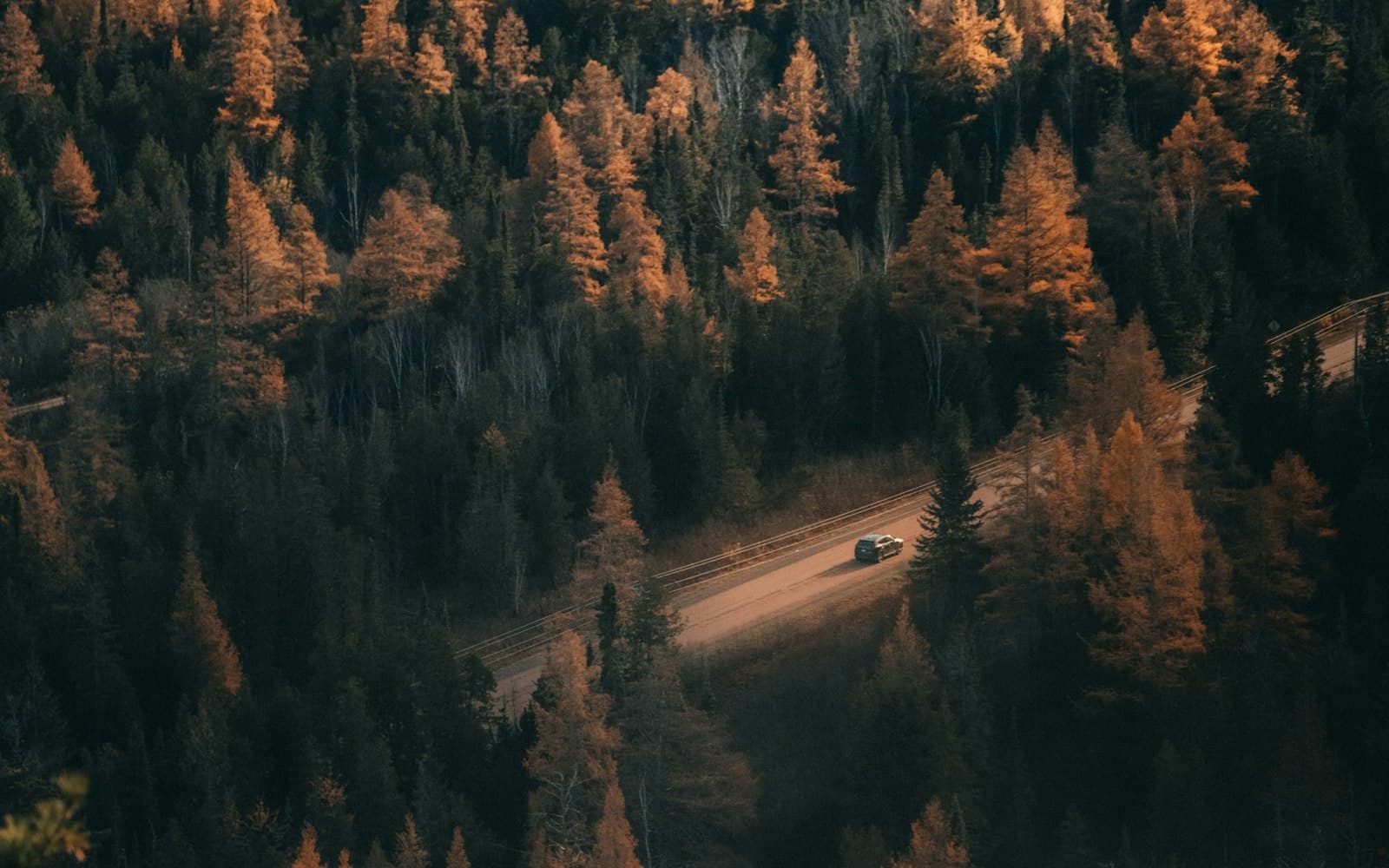
There is a fortnight in November when we have the orchard almost to ourselves. The apple harvest is long done, the last of the persimmons hang like small orange lanterns on the bare branches, and the road below is quiet in a way it simply is not from May to October. If you have only ever seen Manali in peak season — the horn-heavy crawl through the Mall, the queues at Solang — you have not really met the place. November is when the valley stops performing and just gets on with being itself.
We get asked a lot whether November is 'too late' or 'too early' for a Manali trip. It is neither. It is a shoulder month with its own particular character: late autumn tipping into early winter, cold enough at night to want a fire but usually mild enough by day to sit outside with tea. If you come with the right expectations, it is one of the finest and best-value windows in the whole year. Here is what we tell guests who write to us on WhatsApp asking what to pack and what to expect.
The weather, honestly, week by week
November splits into two halves and they can feel like different months. Early November (roughly the 1st to the 15th) is the tail of autumn. Down at our Badgran home at 14 Mile — around 1,600 m — daytime highs sit comfortably in the 15–19°C range under sun, and nights fall to about 4–7°C. Up at our Shanag property near Bahang, which is higher at roughly 2,050 m and further up-valley, knock two to four degrees off both those numbers. The mornings start crisp and clear; the mist that pools over the Beas usually burns off by nine or ten.
The back half of November (16th to 30th) is where winter announces itself. Daytime highs slide toward 8–14°C, and nights routinely dip to 0–3°C in Badgran and below freezing at Shanag. This is when the first proper snow becomes a genuine possibility rather than a fantasy. It rarely settles in the town or at our altitude this early, but on the high ridges and passes above — Rohtang, the Solang bowl, the peaks you see from the orchard — a fresh dusting can appear overnight. In some years it snows lightly in the valley itself by late month; in others the first valley snow waits until December. We have seen both. Do not book November expecting to build a snowman outside your door — but do come ready for the thrill of waking to white peaks that were grey the evening before.
A word on the sun, because it matters more than the numbers suggest: November light is low and golden, and direct sun is genuinely warm even when the air is cold. A sheltered, south-facing terrace at midday can feel like 20°C while the thermometer reads 12. This is why we plan our guests' days around the sun — breakfast in it, walks in it, tea in it — and retreat indoors to the fire once it drops behind the ridge, which by late month is around 4:30–5:00 pm.
“Our orchard road ices over in patches by mid-to-late December, but in November it is still fine for a normal car in daylight. It's the shaded, north-facing bends higher up toward Solang you want to respect after dark — the tarmac there holds frost long after the open stretches have dried. If you're self-driving, we'll tell you which turns to take slowly.”— A host note
What's actually open — and what's already shut
This is the single most useful thing to understand about a November trip, because the answer changes around the middle of the month and catches people out.
The big one is Rohtang Pass. The pass at 3,980 m typically closes to tourist traffic for the winter somewhere between mid-November and early December, depending entirely on the first heavy snowfall — some years it's the 15th, some years it stays open into December. It is not a fixed date and no one can promise it. If your heart is set on standing in snow at altitude, aim for the first half of the month and keep the plan flexible. The Atal Tunnel to Lahaul, however, stays open year-round barring active snowfall, so Sissu and the Lahaul side remain reachable even after Rohtang shuts — a drive we love in the low winter light.
Here's the practical open/shut picture for November:
- Solang Valley — open and busy on weekends; ropeline (gondola) and the paragliding/zorbing operators are still running early in the month, winding down as snow and cold arrive. Paragliding tandem flights, when running, are roughly ₹1,500–3,500 depending on the length of flight. The Solang gondola is around ₹700–800 return.
- Atal Tunnel & Sissu — open year-round; a Sissu day trip from Manali is about 40 km and 1.5–2 hours each way, longer with photo stops. Sissu waterfall and the Chandra river flats are the draw.
- Rohtang Pass — closing for winter sometime mid-Nov to early Dec; requires a permit and (until it shuts) is a full-day outing.
- Old Manali cafés — many of the seasonal, foreign-tourist-facing cafés begin shutting from mid-November as the backpacker crowd thins; the year-round places stay open. Hadimba Temple, the Manu Temple, and Vashisht hot springs run all year.
- Naggar Castle & the art trail (Roerich Gallery) — open all year, and gorgeous in autumn colour; about 22 km south of Manali, an easy half-day from our Badgran home which is on the way.
Why we quietly love this month
The obvious reason is the crowds, or rather the lack of them. Manali in October is still heaving; by mid-November the day-tripper coaches have thinned to a trickle and you can actually hear the river. The Mall Road, insufferable in May, becomes a pleasant evening stroll. You get the good tables. You get the empty viewpoints. You get, frankly, the version of Manali that made us want to live here.
The second reason is cost. November is low shoulder season across the board, and it shows up everywhere except the fixed stuff. Taxis are more negotiable — a full-day local sightseeing cab (Manali–Solang–Naggar type loop) runs roughly ₹2,500–3,500 in this season against summer rates that push well past ₹4,000. Volvo and semi-sleeper bus fares from Delhi soften to around ₹1,200–1,900 depending on the day, versus the ₹2,500-plus you'll pay in peak weeks. Activity operators are more willing to deal when they have fewer customers. We never publish our own room rates here, but the whole ecosystem around a November trip is simply gentler on the wallet.
The third reason is the one that's hardest to sell and easiest to feel: the quality of the quiet. There is something about a cold, clear November night in the orchard — woodsmoke, a sky absolutely thick with stars because the summer haze is gone, the peaks catching the last of the light — that a July weekend simply cannot give you. This is a month for slow mornings, long lunches, a book, a dog asleep by the fire. If that is what you're after, you've picked well.
The food gets better in the cold
We are unapologetically a food-first farmstead, and November is when our kitchen is at its most fun. This is soup-and-slow-cooked-things weather. The local winter produce is coming in — the last squashes, the greens, the walnuts and the persimmons off our own trees. Guests who've stayed with us in summer and come back in November always notice the shift: the menu goes heartier, warmer, more rooted. A pot of something on the stove all afternoon, bread out of the oven, a fire lit by five. If you're the sort of traveller who plans a trip around where you'll eat, the cold months are secretly our best season, and you can read more about how we cook on our dining page.
Getting here in November, and what to pack
The journey itself is easier in November than in the monsoon months just past — the Chandigarh–Manali highway is largely landslide-free by now, and the drive up is one of the prettiest of the year with the deciduous slopes turned amber and rust. From Delhi it's a long haul: roughly 530 km and 12–14 hours by road depending on where exactly you're headed and the traffic through Bilaspur and the Kiratpur–Manali stretch. The overnight Volvo remains the standard move. If you're flying, the nearest airport is Bhuntar (Kullu), about 50 km and 1.5 hours south of Manali — flights are limited and weather-dependent, so most guests still come via Chandigarh (about 8–9 hours from Manali) as the reliable air-plus-road option. We've laid out the full route detail on our how-to-reach page.
On packing, the mistake people make is dressing for the daytime temperature and freezing after sunset. Layer for a 15°C swing between noon and midnight. Bring:
- A proper insulated jacket or heavy fleece for evenings and early mornings — non-negotiable by mid-month.
- Thermals for nights, especially if you're heading up to Shanag or planning any high-altitude day trips.
- Warm socks and closed shoes with grip — mornings can have frost underfoot on grass and shaded paths.
- Sunglasses and sunscreen, genuinely — the November sun off the peaks is strong and deceptive.
- A woolly hat and gloves for the Rohtang/Solang side if you go up while the pass is still open.
- Layers you can peel — you'll be shedding them by ten in the morning and pulling them back on by five.
If you're travelling with a dog, November is a lovely month for them here — cool enough that they're comfortable on walks, and the orchard is quiet. We're pet-friendly at both homes and our own dogs will happily show yours around. Just pack their bedding for the cold nights; the temperature drop after dark is real for four-legged guests too.
Which of our two homes suits a November stay
We run two properties and they lean slightly different in the cold months. Badgran at 14 Mile, lower and on the highway side, is the warmer and more convenient of the two — closer to the Kullu-side sights like Naggar, easier road access, and a touch milder at night. It's our pick for guests who want comfort and don't fancy the coldest end of things. Shanag, up near Bahang toward Solang, is higher and quieter still, with bigger mountain views and the first frost — it's for people who want to lean fully into the hushed, wintry side of the valley and don't mind the extra chill and the slightly longer run to town. In November we're happy to talk you through which fits your plans; a quick message on WhatsApp is usually the fastest way to sort it.
Come in the first half of the month for the best odds on high-altitude access and slightly milder nights; come in the second half if the possibility of season's-first-snow is the whole point and you want the valley at its emptiest. Either way, you'll get a Manali most visitors never bother to see — and we think that's rather the point.

Written by the family that runs Persimmon Farmstead — the two boutique hotels near Manali. We write about the valley the way we'd tell a friend at the kitchen table.
Good to know
Will it snow in Manali in November?
Possibly, but don't bank on it settling in the town or at our orchard altitude. The first snow of the season usually dusts the high ridges and passes above the valley from mid-to-late November, and in some years reaches the valley floor by month-end — but in others valley snow waits until December. For the best odds of standing in snow, the high passes and Solang bowl early in the month are your safest bet while Rohtang is still open.
Is Rohtang Pass open in November?
Sometimes. Rohtang (3,980 m) typically closes to tourists for the winter somewhere between mid-November and early December, depending on the first heavy snowfall — there is no fixed date. Aim for the first half of the month and keep plans flexible. Even after Rohtang shuts, the Atal Tunnel stays open year-round, so Sissu and Lahaul remain reachable.
How cold does it get at night in November?
At our Badgran home (around 1,600 m), expect nights of roughly 4–7°C early in the month, falling to 0–3°C by late November. Up at Shanag (around 2,050 m) it's a few degrees colder and can drop below freezing after mid-month. Days stay pleasant in the sun — 8–19°C depending on the week — but the swing between noon and midnight is large, so pack layers.
Is November an inexpensive time to visit Manali?
Yes, comparatively. It's low shoulder season, so bus fares from Delhi soften to roughly ₹1,200–1,900, full-day local taxis run around ₹2,500–3,500, and activity operators are more open to negotiation with fewer customers about. The valley is at its quietest and best-value before the December peak-winter crowd arrives.
Tell us your dates. We'll confirm, personally.
You send a request, a real host confirms it by WhatsApp — usually within a few hours.