
Manali in October: Apple Harvest, Golden Light, and Our Favourite Month at the Orchard
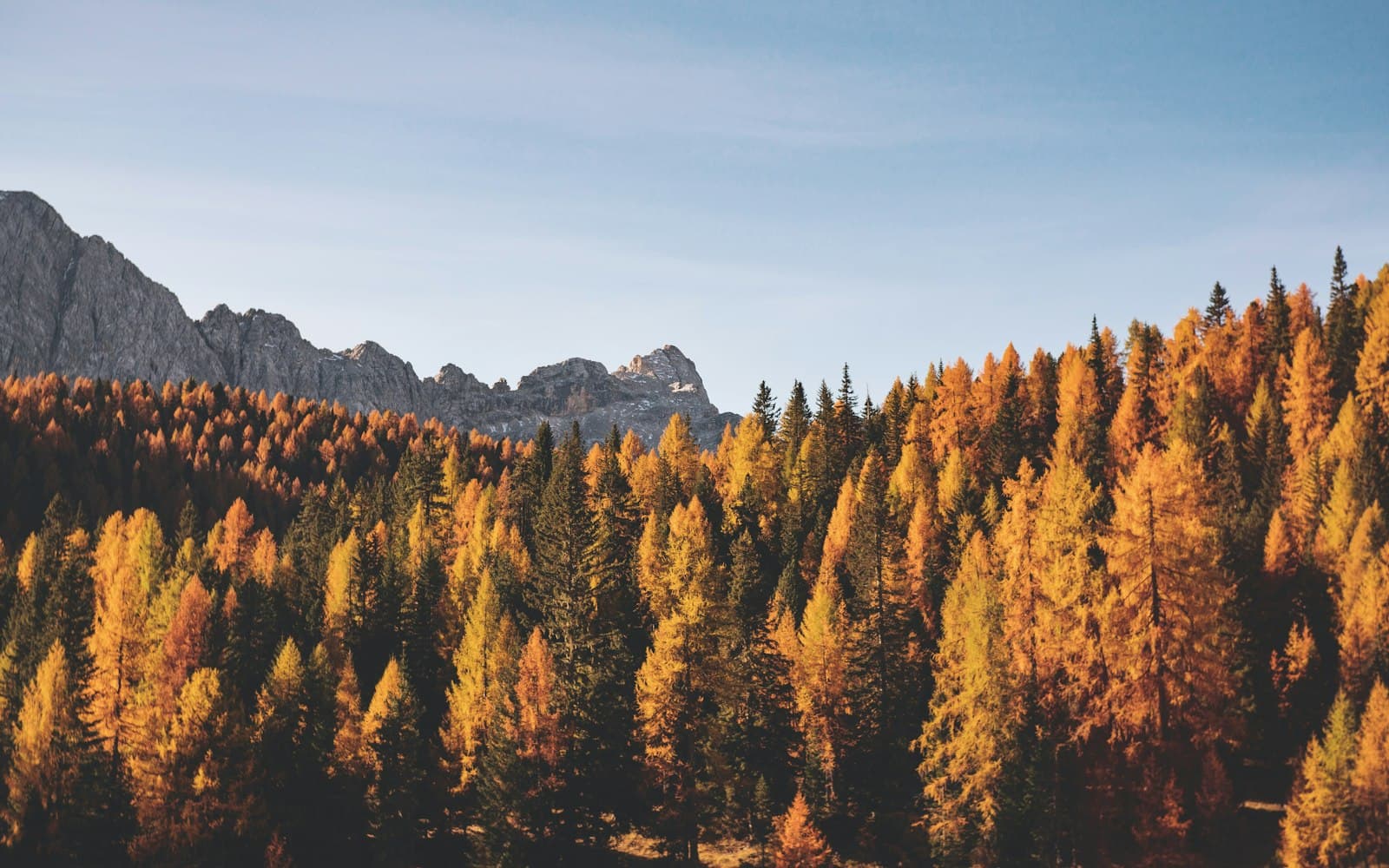
People ask us which month they should come, and we try to stay even-handed about it, because every season here has something. But if you cornered us on the veranda with a cup of tea and made us choose one, we would say October, and we would not think very long about it. The summer crowds have gone home. The monsoon has wrung itself out. The apples are coming off the trees, the higher slopes are turning, and the light does something in October that it does not quite manage the rest of the year.
This is written from the two orchards we run — the older home at 14 Mile in Badgran, about 14 km south of Manali town on the Kullu–Manali highway, and the newer one at Shanag, near Bahang, roughly 4–5 km north of Manali on the road up towards Solang. They sit at slightly different altitudes and catch the season a little differently, which we will come to. What follows is what we actually see in October, year after year, rather than a brochure version of it.
The weather, honestly
October is the driest, most settled stretch of the Manali calendar, and that is the whole reason it works so well. The monsoon typically clears by the last week of September, and from the first days of October you get long runs of clear mornings with the Dhauladhar and Pir Panjal ridgelines sitting sharp against a hard blue sky. Haze is minimal. This is why photographers time their trips for now.
On the numbers: in early October, expect daytime highs in Manali town of around 18–22°C, dropping through the month to roughly 15–18°C by the end. That is genuinely pleasant walking weather in the sun. The catch is the nights. Early in the month, overnight lows sit around 7–9°C; by the last week they slide to 3–5°C, and on a clear night up at Shanag we have seen it touch 2°C. The temperature swing between a sunny afternoon and 6 a.m. is the single thing first-timers underestimate. You can be in a T-shirt at lunch and reaching for a proper jacket by the time the sun drops behind the ridge, which happens earlier than you expect because the valley walls are high.
Rain is uncommon but not impossible — an odd western-disturbance system can bring a grey day or a spell of drizzle, particularly towards the very end of the month. Snow at valley level (around 2,000 m, where both homes sit) is genuinely rare before November. But the high passes are a different story: Rohtang (3,978 m) and the Solang–Rohtang stretch can get an early dusting any time from mid-October, and it is not unusual for the first proper snow up top to arrive in the last week.
“A host note: pack in layers, not for one temperature. A warm base, a fleece or mid-layer, and one windproof outer will cover you for a T-shirt afternoon and a 3°C dawn. And bring an actual jacket, not just a hoodie — guests who packed light for 'it's only October' are the ones we end up lending blankets to on the veranda at night.”
Apple harvest — you've arrived right at the tail of it
The Kullu valley is apple country, and October is when the last and best of it comes off the trees. The main harvest runs roughly from late August into October, and the timing climbs with altitude — the lower orchards around Kullu finish first, and the higher villages carry on into October. By the time you visit, the roadside crates, the mandi trucks grinding down the highway, and the whole rhythm of the valley is built around apples. The late-season varieties are the good ones: firm, cold-nights-sweetened, and a fraction of what you pay in a city.
Our own trees at Persimmon are, as the name suggests, mostly persimmons and a mix of orchard fruit rather than a commercial apple operation, but we are surrounded by apple growers and we send guests to them. If you want to actually see a harvest rather than just buy a bag, October is the window — ask us and we will point you to a neighbour's orchard where you can watch the picking and grading, and usually eat one straight off the branch. A few things worth knowing:
- Roadside apples are cheapest bought by the crate at source; a 20 kg box of good late-season apples typically runs a few hundred rupees depending on grade and variety — far below city prices, and you can often buy smaller quantities loose.
- The persimmons (what locals call 'Japani phal' or amlok) ripen through October–November too — the soft, honey-sweet Hachiya type is worth trying if you have never had a properly ripe one.
- If you are driving down the valley, the fruit stalls thin out and prices creep up the closer you get to the tourist strip; buy from the villages, not from the Mall Road end.
- Walnuts are also in season now — the valley's walnut trees drop through October, and fresh local walnuts are a different thing from the packaged ones.
The larch, and where the colour actually is
Autumn colour in the western Himalaya is quieter than a New England postcard, but it is real, and October is when it happens. The thing to look for is the larch — the deodar and pine stay green through winter, but the larch (the deciduous conifer you see higher up towards Solang, Kothi and the Rohtang approach) turns a clear gold before dropping its needles. Poplars and willows down in the valley yellow at the same time. The willows along the Beas and the poplar lines between the orchards go butter-yellow, and against a dark deodar hillside and a blue sky it is quite something.
The turning climbs down the mountain as the month goes on. In early October the colour is up high, around and above Solang; by the last week it has come down into the valley and the orchards themselves. From the Shanag home you are already higher and closer to the larch line, so you catch it a little earlier and a little more of it. At 14 Mile, lower down, the poplar-and-willow valley colour peaks slightly later, usually the third and fourth weeks. Neither is 'better' — they are just different weeks of the same season.
Getting here, and what's open
October is a comfortable month to travel to Manali because the roads are dry and the passes are still open. From Delhi it is roughly 530–540 km and a 12–14 hour drive, or an overnight Volvo/HRTC bus of similar duration — book ahead around the Dussehra and Diwali holiday windows, when buses fill fast. The nearest airport is Bhuntar (Kullu–Manali airport), about 50 km / 1.5–2 hours south of the town, though flights are limited and weather-dependent; most people come by road via Chandigarh.
Both our homes sit on the highway side of the valley, which makes October arrivals easy — no rough approach roads, no monsoon landslide worries by now. From the town, 14 Mile at Badgran is about a 25–30 minute drive south; Shanag is a similar distance north towards Solang. If you are self-driving, note that the Atal Tunnel (open year-round) puts Lahaul and Sissu about 45 minutes to an hour from the north end of the valley, and October is one of the last comfortable months to do that day trip before winter closes in on the far side. We have full directions and the sensible route notes on our how-to-reach page.
On the local season: October is shoulder season leaning towards quiet. Kullu's Dussehra festival (a seven-day event, dates shift each year with the Hindu calendar but it falls in October) is genuinely worth planning around if it overlaps your trip — the whole valley's village deities are carried to Dhalpur ground in Kullu, about 40 km / 1.5 hours south of us, and it is a real cultural event rather than a tourist show. Do factor traffic on the highway during those days.
Day trips that are at their best now
- Solang Valley (13 km / ~30–40 min from the north end): green and calm in October rather than the summer circus. Paragliding operates on clear days; a tandem flight typically runs around ₹1,500–₹3,500 depending on flight length and the operator, and October's stable air makes for good flying. Cable-car (ropeway) tickets are separate, usually a few hundred rupees.
- Atal Tunnel & Sissu (Lahaul side): the tunnel is 9.02 km long at around 3,000 m; Sissu village on the far side is stark, high-desert Lahaul scenery and often has fresh snow on the peaks by late October. Go early; carry water and warm layers as it is markedly colder over there.
- Old Manali and Vashisht: quieter now that the season has thinned. The Vashisht hot springs are free and open; the cafés of Old Manali stay open through October before many shut for winter.
- Jogini Falls walk from Vashisht (about an hour each way on foot): pleasant in the cool October air, and the light in the pine is lovely mid-morning.
A caution worth stating plainly: Rohtang Pass. It requires a permit (booked online in advance, with a daily vehicle cap and a nominal permit fee) and it is closed on Tuesdays for maintenance. By late October the pass can close at short notice after the first snowfall, and it shuts fully for winter usually by November. If seeing Rohtang is a priority, come in the first half of the month and keep a buffer day. If you mainly want the high Lahaul landscape, the Atal Tunnel to Sissu is the reliable alternative and does not need a permit.
Why October suits the orchard, specifically
There is a practical reason we love hosting in October, beyond the light. The kitchen is at its best. This is a food-first place — it is the thing guests tell us they remember — and October is when the produce lines up: the last of the season's stone fruit and apples, fresh walnuts, the persimmons coming ripe, pumpkins and the winter greens starting. Meals are built around what came out of the valley that week, and in October that basket is full. Breakfast on the veranda in the morning sun, before the day warms up, is the small ritual most people slow down for.
It is also a genuinely good month to work from here if that is your thing — the light is good, the wifi holds, and the afternoons are warm enough to sit outside with a laptop while the nights are cool enough to actually sleep. And it stays pet-friendly year round; October, with its dry trails and mild days, is honestly the easiest month to have a dog with you, before the ice sets in.
One honest seasonal note to close on. The orchard road up towards Shanag starts to feel winter coming by the end of the month — nothing dramatic in October, but the mornings get a bite to them and the first frost usually lands on the grass in the last week. The properly icy roads and the risk of a closed Rohtang belong to mid-December onwards, not now. October is the sweet spot: everything still open, the harvest still on, the cold still gentle. Message us on WhatsApp with your dates and we will tell you honestly which of the two homes is catching the better light that week.

Written by the family that runs Persimmon Farmstead — the two boutique hotels near Manali. We write about the valley the way we'd tell a friend at the kitchen table.
Good to know
How cold does it actually get in Manali in October?
Daytime is pleasant — roughly 18–22°C early in the month, easing to 15–18°C by the end, comfortable for walking in the sun. The nights are the surprise: lows drop from about 7–9°C early October to 3–5°C by late October, and up at our Shanag home on a clear night it can touch 2°C. Pack layers and one proper warm jacket for the mornings and evenings.
Is October a good time to see the apple harvest?
Yes — you've caught the tail of it. The Kullu valley harvest runs from late August into October, finishing latest in the higher villages, so October is when the best late-season apples come off the trees. Buy by the crate from the villages rather than the tourist strip, and ask us and we'll point you to a neighbouring orchard where you can watch the picking.
Will Rohtang Pass be open in October?
Usually in the first half, yes, but it's the last reliable window before winter. Rohtang needs an online permit, is closed on Tuesdays, and can shut at short notice after the first snowfall in the second half of the month. If it's a priority, come early and keep a buffer day. The Atal Tunnel to Sissu is the year-round, permit-free alternative for high Lahaul scenery.
Is it crowded in October?
No — it's shoulder season and much quieter than the summer or the December–January snow rush. The main exception is Kullu's Dussehra festival, which falls in October (dates shift yearly) and brings crowds and highway traffic to the Kullu side for about a week. If your trip overlaps it, that's a plus for the culture but plan the drive around it.
Tell us your dates. We'll confirm, personally.
You send a request, a real host confirms it by WhatsApp — usually within a few hours.