
Manali in September: The Month We Keep for Ourselves
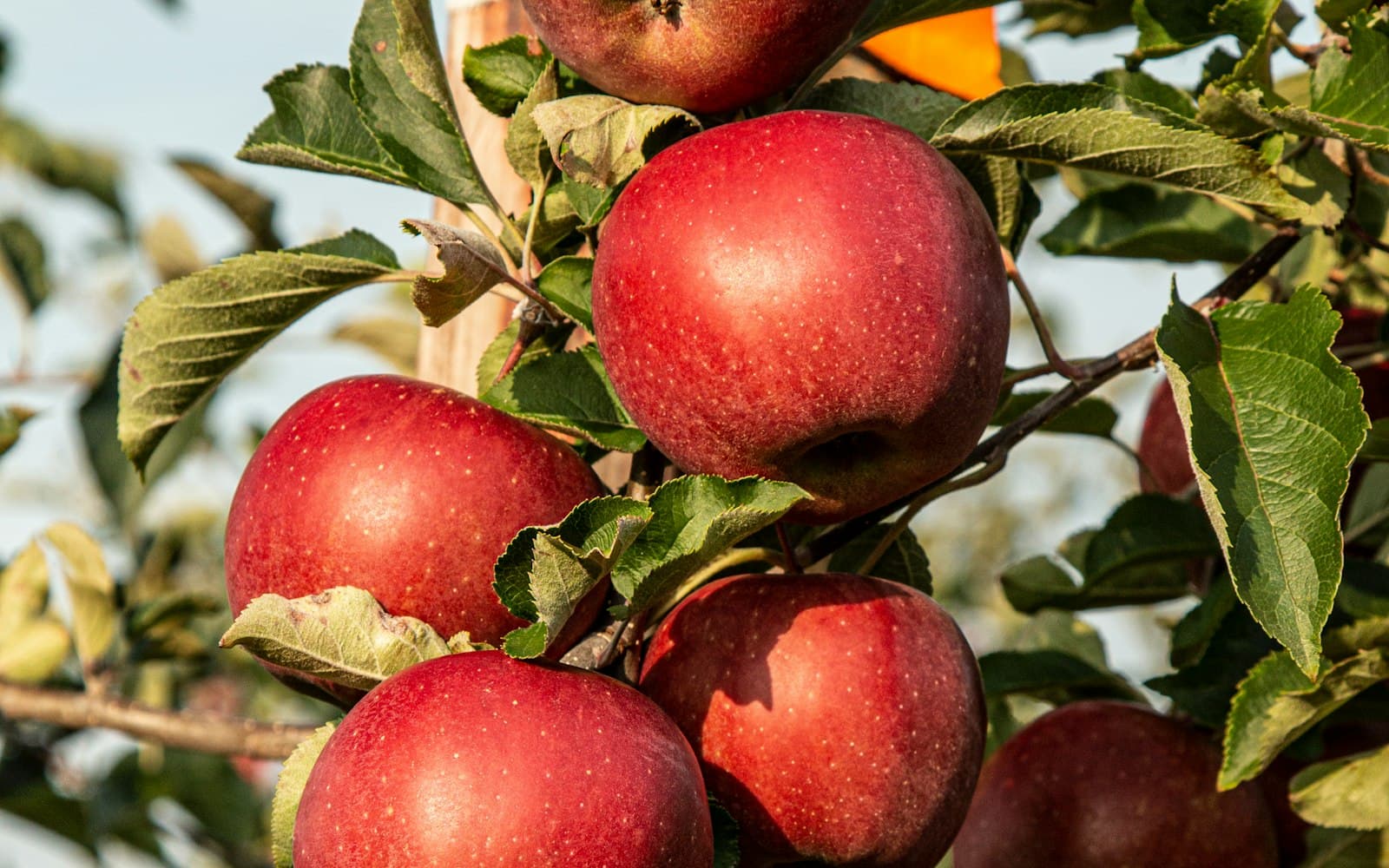
People ask us which month they should come, and if we are being honest rather than diplomatic, we say September. It is the month we keep for ourselves. The monsoon has just let go of the valley, the apple boughs are bending, and the light does something to the deodars in the late afternoon that we still stop and look at after five seasons of living here. This is a proper account of what to expect if you visit us at either house in September, with the temperatures, the drive times, the trek details, and the honest cautions we would give a friend.
What the weather actually does in September
September is a hinge month. The first week or ten days can still carry the tail of the monsoon, especially in the first three or four days. You may get an afternoon of steady rain, or a grey morning that burns off by eleven. By the second week the pattern breaks, and from roughly the 12th to the 15th onward you generally get the clear, scrubbed-blue skies that people imagine when they think of the Himalayas. That post-monsoon clarity is real and it is the reason photographers time their trips for now: the dust is washed out of the air and you can see ridgelines that stay hazy in May and June.
Temperatures at our altitude are gentle. At the Badgran house (14 Mile, around 1,700 m) daytime highs sit around 22 to 25°C early in the month, easing to about 18 to 22°C by the end of September. Nights drop to roughly 10 to 12°C at the start and 7 to 9°C by the last week. The Shanag house is higher, closer to 2,050 m and further up toward Solang, so it reads two or three degrees cooler across the board, and the nights there get a genuine bite by month-end. You will want a fleece or a light jacket for the evenings at both houses, and something warmer at Shanag.
A note on higher ground: while the valley floor is mild, the passes are already turning. If you are heading up to Rohtang (3,978 m) or over toward Hampta, the temperature falls sharply with height and an early snow flurry above 3,500 m is not unusual in the last week of September. Carry layers regardless of how warm it feels when you leave the orchard.
“A host note: we tell every September guest to pack for two climates in the same day. You will have breakfast on the lawn in a t-shirt and want a jacket by the time the sun goes behind the ridge around half past five. The valley cools the moment the light leaves it.”— Your hosts at Persimmon Farmstead
The apple harvest — why the orchards look the way they do
September is harvest. Across Kullu and up through the Manali belt, the apple picking runs from roughly late August into early October depending on the variety and the elevation, and the peak of it falls squarely in September. If you drive the Kullu–Manali highway this month you will see it everywhere: wooden crates stacked at the roadside, tempo trucks loading fruit for the mandi at Bandrol and Patlikuhl, orchard families out on ladders from first light. Royal Delicious and the older Red varieties come in first at lower elevations; the higher orchards ripen later.
Our own persimmon trees, the fruit we named the farmstead for, are not ready yet in September. Persimmons colour up and soften from mid-October through November, so a September guest sees the orchard green and heavy rather than orange. But the apples around us are at their best, and this is the one month we can send you out to buy fruit straight from a grower rather than a shop. We are happy to point you to the orchards near us who sell by the crate, and the going rate at the source is far below what the same apples fetch once they have travelled down to the plains.
If you care about food, and most of our guests do, this is the month the kitchen leans hardest into what is around us. Local produce is at its cheapest and freshest, and the walnut harvest overlaps too. Ask us and we will tell you what came in that morning.
Trekking in September — the best window of the year
For anyone coming to walk, September is arguably the finest month Manali offers. The monsoon has settled the dust and greened the meadows, the rivers are full but past their most dangerous, the leeches of the wet months are gone, and the high passes are still open before the first serious snow closes them for the season. Two treks in particular are at their peak now, and both start within easy reach of us.
Hampta Pass
Hampta Pass (around 4,270 m) is the classic four-to-five day crossing that takes you from the green Kullu side over to the stark, high-desert landscape of Lakh in Spiti — one of the most dramatic scenery changes you can walk into in a single day. The trailhead at Jobra is about a 1.5 to 2 hour drive from our Badgran house, or a little less from Shanag since it is further up the valley. September is one of the two prime Hampta windows (the other being June), and by late September the pass can begin to see snow, so mid-month is the safer bet. Budget roughly ₹9,000 to ₹14,000 per person for an organised group trek including camping, meals and permits; a private or smaller group costs more. We are not a trek operator, but we know the reliable local outfits and can put you in touch.
Bhrigu Lake
If you have less time, Bhrigu Lake is the one we most often recommend. It is a high glacial lake at about 4,300 m, reachable as a demanding two-day trek (some very fit walkers do it as a long single day). The trailhead at Gulaba is a short drive up from us — roughly 30 to 40 minutes from Shanag and around an hour to an hour and a quarter from Badgran. What makes Bhrigu special in September is the meadow: the alpine grass is at its most vivid green after the rains, and the lake reflects the sky on a still morning. A guided two-day trip typically runs ₹3,500 to ₹6,000 per person. Do not underestimate the altitude — the climb is steep and the air is thin, and we have watched fit-looking guests struggle because they went up too fast.
A few honest points for any September trek:
- Give yourself a night at valley altitude before going high. Sleeping at the farmstead at 1,700–2,050 m for a night helps you acclimatise before a 4,000 m-plus pass.
- Weather can still turn in the first week. If the monsoon tail is lingering, a high trek can be washed out or made dangerous by swollen stream crossings. Keep a day of buffer in your plan.
- Book the trek operator, not just the dates. The good local outfits fill their September slots early because this is peak trekking season.
- Nights above 3,500 m drop below freezing by late September. Rent or bring a proper sleeping bag rated for it — the ₹9°C bag that works in the orchard will not do on the pass.
Fewer crowds, and what that means on the ground
September sits in the shoulder season, between the summer rush that peaks in May–June and the honeymoon and snow crowds that arrive from late December. Schools are back in session across India, the long summer holiday is over, and the result is a valley that breathes. The Mall Road in Manali town is walkable rather than shuffling. Solang Valley, which can be a fairground of quad bikes and paragliders in peak summer, is calmer. Old Manali's cafés have tables free.
This shows up in the practical costs too. Taxi rates soften from their summer peak — a one-way private taxi from us at Badgran into Manali town runs roughly ₹500 to ₹800 depending on the day and your bargaining, and the shared buses along the highway cost a fraction of that if you are not in a hurry. Paragliding at Solang, when the weather is clear, is typically ₹1,500 to ₹3,500 for a tandem flight depending on the duration and height of the take-off. Because September skies are stable, the flying conditions are often better than the crowded summer months when afternoon cloud shuts operations down.
One caution on timing within the month: the last few days of September and the first week of October catch the run-up to the long holiday weekends and, some years, Dussehra. Kullu's famous Dussehra festival is a genuinely spectacular thing to witness — it usually falls in October and the whole valley converges on Kullu town for a week — but it also fills the roads and the rooms. If you want the quiet September we are describing, aim for the middle of the month rather than the very end.
Getting here, and getting around, in September
The roads are at their most reliable this month. The monsoon landslides that occasionally block the Kullu–Manali highway in July and August have mostly settled, and the winter ice is months away. The drive up from Chandigarh takes about 8 to 10 hours by road; from Delhi it is a long 12 to 14 hours, which is why most people take the overnight Volvo coach to Manali and let someone else do the driving. Coach fares run roughly ₹1,200 to ₹2,500 depending on the operator and how early you book.
Our two houses sit on opposite sides of the town. Badgran is 14 Mile, about 14 km south of Manali on the main highway, which makes it the easier one to reach if you are coming up from Kullu or the airport at Bhuntar (roughly 45 minutes to an hour further south). Shanag is about 4 to 5 km north of Manali toward Solang and Old Manali, which puts it closer to the trailheads and the high valley but a little further from the highway coming up. We lay out the full journey — coach stops, taxi hand-offs, the Bhuntar airport option — on our how-to-reach page, and we always send returning guests a live road update on WhatsApp before they set off, because conditions in the hills change faster than any website.
If you are driving your own car, September is a kind month for it. The road surface is dry, visibility is good, and you can actually enjoy the stretch along the Beas. Just fuel up at Kullu or Bhuntar rather than counting on a pump close to us, and if you are continuing up past Manali toward Rohtang, check whether you need the online permit, which is required for private vehicles on that stretch and capped daily.
Who September suits, and who might wait
September rewards the traveller who wants the mountains to feel like mountains rather than a resort. Walkers, photographers, couples who want the valley quiet, people who work remotely and want clear-headed mornings on a lawn with a laptop and good coffee — this is their month. It is also kind to families with slightly older children who can manage the gentle walks near the orchard, and we stay pet-friendly year round, which matters more in September when the weather is comfortable enough for a dog to be out all day without either heat or ice to worry about.
It is not the month for snow. If your heart is set on white peaks at arm's reach and playing in fresh powder at Solang, you are looking at late December through February, not now. The high snow of last winter has retreated to the distant summits, and Rohtang, when it is open, shows old patchy ice rather than a fresh fall. Come in September for the harvest, the clear skies, the trekking and the calm. Come in deep winter for the snow. They are two different holidays, and we would rather you knew that before you booked than felt short-changed after.
When you are ready, message us on WhatsApp and tell us what you are after — a trekking base, a slow food-first week, or a quiet stretch to work through. We will tell you honestly which of the two houses fits, and what the orchard will be doing the week you arrive.

Written by the family that runs Persimmon Farmstead — the two boutique hotels near Manali. We write about the valley the way we'd tell a friend at the kitchen table.
Good to know
Is it still raining in Manali in September?
Only at the very start. The monsoon tail can bring a wet afternoon or two in the first three or four days of the month, but from roughly the second week onward you get the clear, dust-free post-monsoon skies Manali is famous for. If you want to be safe, plan for arrival from around the 10th to 12th rather than the 1st.
Can you do the Hampta Pass or Bhrigu Lake trek in September?
Yes — September is one of the best months of the year for both. The meadows are green after the rains, the leeches are gone, and the passes are still open before the first snow. Mid-month is safest; by the last week of September the higher ground above 3,500 m can start to see snow. Both trailheads are within one to two hours' drive of our houses, and we can connect you with reliable local trek operators.
Will there be snow in September?
Not at valley level, and not the kind you can play in. The winter snow has retreated to the high summits. You might see an early flurry above 3,500 m in the last week, or old patchy ice near Rohtang, but for a proper snow holiday you want late December through February instead.
Is September a good time to see the apple harvest?
It is the best time. Apple picking across Kullu and Manali peaks in September, and you'll see crates, trucks and orchard families at work all along the highway. We can point you to growers near us who sell fruit by the crate straight from the tree, well below plains prices. Our own persimmons, though, don't colour up until mid-October into November.
Tell us your dates. We'll confirm, personally.
You send a request, a real host confirms it by WhatsApp — usually within a few hours.