
The Patalsu Peak Trek: A Steep, Honest Climb Above Old Manali
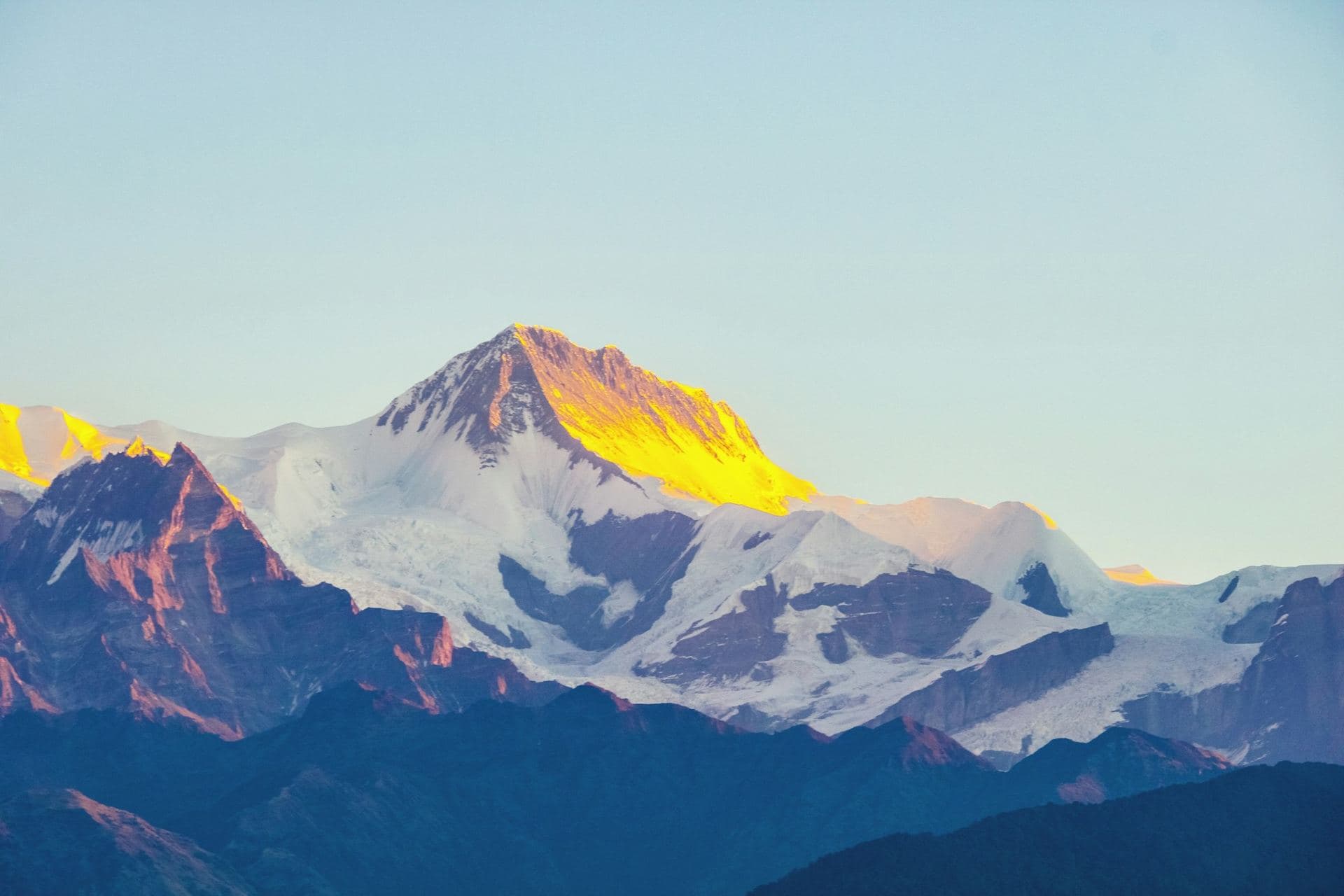
Patalsu Peak is a steep day-or-overnight trek above Solang and Old Manali, topping out near 4,600 m. The trailhead sits at Solang village, roughly 12 km and a 40-minute drive from Manali. Expect 1,600 m of climbing over 6–7 km, a fit day of 9–11 hours return, and a ridge that opens onto Hanuman Tibba and the Beas Kund peaks.
We get asked about Patalsu more than any other trek near us, and we understand why. From the lawn at our Shanag home you can practically point at it — that clean triangular peak riding the ridge above Old Manali, catching the last light while the valley has already gone blue. It looks close. It looks doable in an afternoon. That second impression is the one we spend the most time gently correcting over breakfast.
So this is the brief we give guests before they head up: what the climb actually is, where it starts, how hard the hard parts are, what you see from the top, and where people get themselves into trouble. We've walked the lower half of it, sent dozens of guests up the whole thing, and hosted a good few coming back down on jelly legs. The specifics below come from that, not from a brochure.
Where Patalsu is, and where it starts from
Patalsu Peak stands above the Solang–Beas Kund side of the valley, north-west of Manali town. The standard start is Solang village — the same Solang you'll know for paragliding and the ropeway — about 12 km from Manali, a 40-minute drive on a good day. From our Shanag home near Bahang you're closer still; the road to Solang runs right past. From the flagship at Badgran, budget the extra time to cross Manali first.
Do not confuse Patalsu with Patalsu Lake or with the gentler Beas Kund walk that shares the same trailhead. Beas Kund is a valley amble to a glacial pool. Patalsu goes up — relentlessly, from almost the first bend — to a summit ridge. Two very different days out of the same car park.
The climb, honestly
Here is the thing nobody puts in the pretty write-ups. Patalsu is short in distance and savage in gradient. You gain something in the order of 1,600 m from Solang village (around 2,600 m) to the summit ridge (around 4,200–4,600 m depending on how far along the ridge you push), and you do it in roughly 6–7 km one way. That is a punishing ratio. There are no lazy switchbacks doing the work for you. The trail goes up the fall line through pine and then birch, and your thighs will know about it within the first hour.
We rate it moderate-to-difficult, and the difficulty is almost entirely cardiovascular and knee-related rather than technical. You are not roping up or crossing anything exposed on the standard line in summer. But sustained steepness at altitude is its own kind of hard, and the descent — same gradient, now with tired legs and loose ground — is where most of our returning guests say the real suffering happened.
Rough timings for a reasonably fit walker, no snow:
- Solang village to the shepherd meadows / treeline: 2.5–3.5 hours of steady up.
- Treeline to the summit ridge: another 2–3 hours, thinner air, slower pace.
- On the ridge to a viable turnaround point: 30–60 minutes, weather permitting.
- Descent all the way back to Solang: 3–4 hours, hard on the knees.
- Total day-hike: 9–11 hours car-to-car. Start before 6 a.m.
Day trip or overnight?
You can do Patalsu as a very long single day if you're fit and you leave in the dark. Plenty do. But we quietly nudge most guests toward the overnight version — camping at the shepherd meadows below the ridge — for two honest reasons. First, it breaks the climb so your body has a night to deal with the altitude instead of gaining 1,600 m in one shot. Second, sunrise from up there, with the ridge lighting up before the valley, is the whole reason to go, and a day-hike rarely lets you catch it.
An overnight also gives you a weather margin. Afternoons in these mountains cloud over and can turn; being camped and unhurried beats being caught high and rushing a steep descent in fading light. If you camp, go with an operator who carries proper tents, sleeping bags rated for the cold, and a stove — nights at the meadows are cold even in summer.
What you actually see from the top
This is the payoff, and it earns the legs. From the ridge, the wall of the Pir Panjal opens up in front of you. The showpiece is Hanuman Tibba — 5,932 m of it, the big white pyramid that dominates the Solang skyline — sitting close and enormous across the Beas Kund basin. Around it you pick out the Friendship Peak line and the ring of Beas Kund's summits. Turn and the whole Kullu valley falls away south, Manali a smudge far below, the Beas a thread.
On a clear post-monsoon morning it is one of the best inexpensive views in the region — inexpensive meaning it costs you a hard climb and nothing else. There's no ticket, no ropeway, no queue. Just you, a shepherd or two, and a lot of mountain.
“We tell everyone the same thing: the view from the ridge is not a consolation for the climb, it's worth the climb. But it's only worth it if the sky is with you. We've watched guests turn around 200 metres below the top in cloud and rain, and every one of them was right to. The mountain isn't going anywhere.”— A note from the hosts
Acclimatisation — take this seriously
Patalsu tops out high enough that altitude is a genuine factor, not a footnote. If you've flown or driven straight up from the plains and you charge at a 4,000 m-plus summit on day one, you are asking for a headache at best and something worse at worse. Give yourself a night or two around Manali's altitude first — which, conveniently, is exactly what a stay with us does. Our Shanag home sits higher and closer to the snow line than town; a night there is a gentle head-start on getting used to thin air.
Know the early signs and respect them: headache, nausea, dizziness, unusual breathlessness, poor sleep. The rule that has never let anyone down is simple — if it's getting worse as you go up, go down. Drink far more water than feels necessary. Don't attempt Patalsu as your very first activity off a long journey.
Guide, gear and when to go
Take a guide. We say this plainly. The lower trail is easy to follow but the upper section, especially the meadows-to-ridge stretch, braids into shepherd paths and gets vague; in cloud it's genuinely easy to lose. A local guide also reads the weather window far better than any app, and if someone in your group struggles, you want a second experienced head. Expect roughly ₹2,500–4,000 for a local guide for the day, more for a full camping package with tents and meals. We book reliable people from the villages around us — ask us and we'll set it up rather than have you hunt on the trailhead.
On your feet: proper trekking boots with grip and ankle support, not sneakers — the descent alone justifies them. Carry layers (it's warm climbing and cold on the ridge), a windproof, sun hat, high-SPF sunscreen, sunglasses, at least 2 litres of water plus a way to refill, and real food. Trekking poles save your knees on the way down more than you'd think. A basic first-aid kit and a power bank, always.
Best season is roughly mid-May to late June, then September to mid-October after the monsoon clears the air. July and August bring rain, leeches lower down, and treacherous footing on the steeps — we usually talk guests out of it then. Winter and early spring put snow on the upper mountain, which turns it into a mountaineering objective needing an ice axe, crampons and real experience, not a walk-up. That's a different trip entirely.
How we fit it into your stay
The neat thing about Patalsu for our guests is the logistics. Because it starts at Solang, our Shanag home near Bahang is genuinely well placed — you're on the Solang road already, so a pre-dawn start doesn't mean a long groggy drive first. Our travel desk sorts the guide, the transport to the trailhead, and a packed breakfast from our kitchen so you're not leaving on an empty stomach at 5 a.m.
And when you come back down folded in half, there's a bonfire, hot water that actually stays hot, and a farm-kitchen dinner waiting. It's a small family kitchen, not a hotel line — but a plate of rajma-chawal and something hot to drink after 10 hours on that gradient tends to taste better than anything fancy would. Tell us the night before and we'll have it ready for whatever hour you stagger in.

Written by the family that runs Persimmon Farmstead — the two boutique hotels near Manali. We write about the valley the way we'd tell a friend at the kitchen table.
Good to know
How difficult is the Patalsu Peak trek?
Moderate to difficult. It's short in distance but very steep — around 1,600 m of climbing in 6–7 km, with a summit near 4,600 m. The challenge is sustained gradient at altitude and a hard descent on tired knees, rather than any technical or exposed sections in summer. Reasonable fitness and prior hill-walking are strongly advised.
Where does the Patalsu Peak trek start?
It starts from Solang village, about 12 km and a 40-minute drive from Manali town, on the same road as the Solang paragliding and ropeway area. From our Shanag home near Bahang you're already on the Solang road, so the pre-dawn start is much shorter than crossing town from elsewhere.
Can Patalsu Peak be done as a day trip?
Yes, if you're fit and start before 6 a.m. — expect 9–11 hours car-to-car. Many guests prefer an overnight camp at the shepherd meadows below the ridge, which eases the altitude gain, catches sunrise over Hanuman Tibba, and gives a weather margin so you're not rushing a steep descent in fading light.
Do I need a guide for Patalsu Peak?
We strongly recommend one. The lower trail is clear, but the meadows-to-ridge section braids into shepherd paths and is easy to lose in cloud. A local guide reads the weather window and adds safety if anyone struggles. Budget roughly ₹2,500–4,000 for the day; our travel desk books reliable guides from the villages around us.
What is the best time to trek Patalsu Peak?
Mid-May to late June and September to mid-October, when skies are clear and the upper mountain is snow-free. Avoid July–August monsoon (rain, slick steeps, leeches lower down). Winter and early spring put snow on the summit, turning it into a technical mountaineering climb requiring ice axe, crampons and experience.
Tell us your dates. We'll confirm, personally.
You send a request, a real host confirms it by WhatsApp — usually within a few hours.